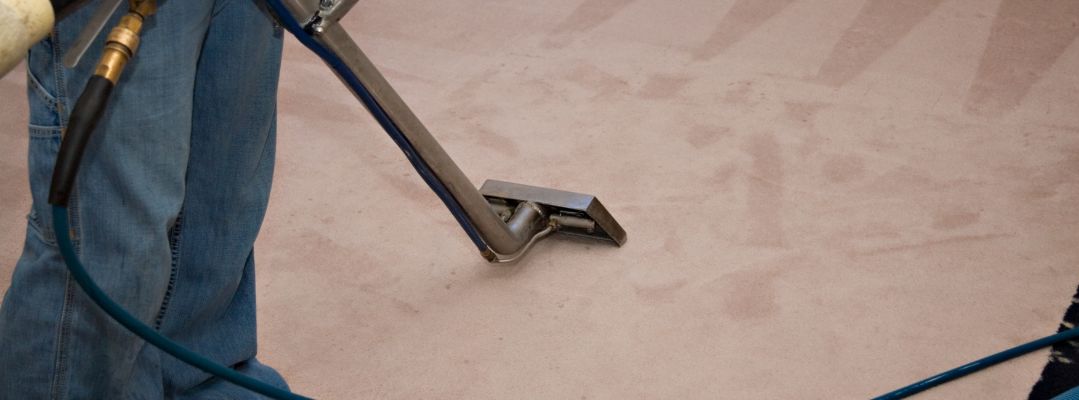
Whether you are cleaning your carpet yourself or hiring a professional to do the job, carpet cleaning plays a crucial role in improving the indoor quality of the air. Let’s look at how this routine maintenance not only keeps our carpets looking good but also promotes a better living environment. Here are six key ways in which carpet cleaning contributes to improved indoor air quality.
1. Cleaning Up Dust and Allergens for Better Air
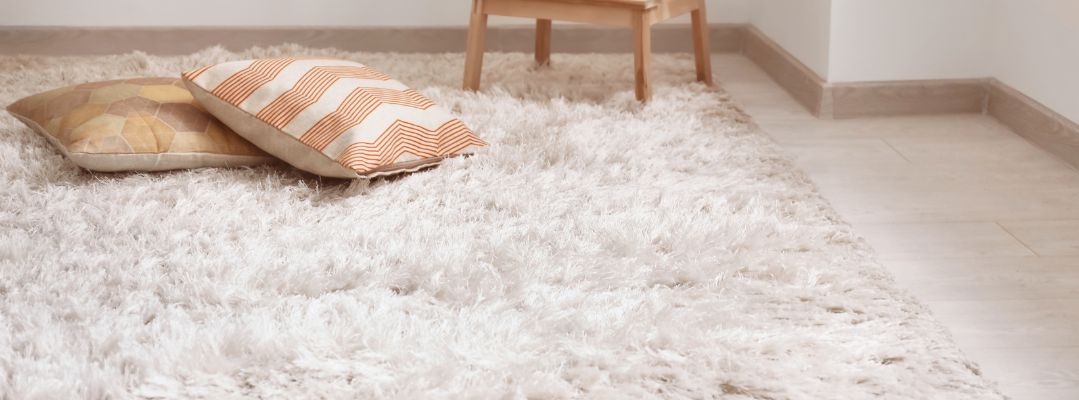
Carpets function as air filters in our homes since they are natural collectors of various particles, such as dust mites, pollen, and pet dander. Carpet fibres trap these particles, preventing them from circulating in the air we breathe. Unfortunately, these particles can build up and penetrate deep within the fibres of carpet over time, making them difficult to remove with a regular vacuum.
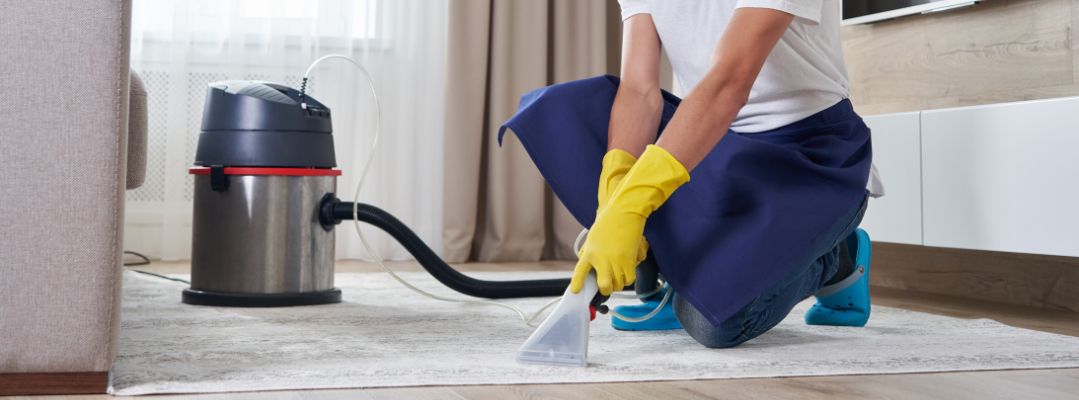
Professional carpet cleaners employ specialised equipment and techniques to efficiently extract these embedded particles, thereby enhancing the overall air quality in your home. However, for individuals who prefer to do their own cleaning, frequent vacuuming combined with easy at-home cleaning procedures can help greatly reduce the buildup of dust and allergens in your carpets. This dual approach provides a cleaner, healthier indoor environment for you and your family.
2. Getting Rid of Mould and Germs by Cleaning Carpets
Carpets can become a breeding place for mould, especially in humid conditions. Mould spores released into the air can contribute to respiratory problems and allergic reactions. The moisture buildup within carpets provides an ideal environment for mould and bacteria to thrive, posing risks to our well-being if left unaddressed.
When professionals clean your carpet, they use strong methods like deep steam cleaning. This not only cleans the surface but also penetrates deep into the carpet to remove mould and germs. It makes your home fresher and safer. If you like doing things yourself, try to keep your carpet dry and vacuum regularly. That way, you’re helping to keep mould and germs away, making the air you breathe at home cleaner and better for you.
3. Minimising Pet Dander Impact
The presence of carpets in houses with dogs has a major impact on indoor air quality. Despite frequent vacuuming, pet hair and dander frequently stay deep inside carpet fibres, providing a risk to people who have respiratory sensitivities or allergies. When not properly managed, pet dander can function as a powerful trigger for allergic reactions and contribute to breathing difficulties.
To enhance the air quality in your house, learn how carpets contribute to the problem and use focused cleaning procedures. Because allergens can linger deep inside the carpet fibres, regular vacuuming may not be enough. Steam cleaning, the use of allergen-reduction sprays, and the use of specialised vacuums with HEPA filters are all efficient carpet cleaning methods for eliminating pet-related allergens. Seeking professional assistance for complete and regular carpet cleaning may increase these efforts. This is especially beneficial in households with people who have respiratory issues or allergies, as it ensures a cleaner indoor environment for everyone.
4. Managing Volatile Organic Compounds (VOCs)
Indoor air quality often faces challenges due to the presence of volatile organic compounds (VOCs) released by household items such as paints, furnishings, and cleaning products. Newly installed and chemically treated carpets can contribute to this issue by releasing VOCs, potentially leading to health problems ranging from headaches to more severe respiratory issues.
Carpets, acting as absorbers, retain these compounds and impact the quality of the air we breathe indoors. Professional carpet cleaning proves instrumental in reducing VOCs, utilising methods like deep steam cleaning that not only address surface contaminants but also delve deep into the carpet fibres. For those handling their carpet maintenance, strategic measures such as ensuring proper ventilation and opting for low-VOC products in the household can significantly minimise the impact of these compounds on indoor air quality, improving the overall quality of the indoor air.
5. Removes Unwanted Odours from Carpets
Carpets can trap unwanted smells from pets, spills, or regular use, affecting your home’s air quality. Choosing professional carpet cleaning can be of great help as it tackles visible stains and deeply embedded odours. Using advanced techniques like steam cleaning, professionals go deep into the carpet fibres, neutralising odours at their source. Consistent carpet care, including quick attention to spills, prevents odours from lingering. The result is a refreshed indoor space with a nicer atmosphere.
For DIY enthusiasts, handling carpet odours involves quick and thorough action. Swiftly addressing spills with a mild detergent-water mix is crucial. Applying baking soda, left to sit, and then vacuumed, provides an effective way to neutralise odours. Using a natural deodorizer like a vinegar-water mix contributes to ongoing freshness. While these DIY methods work for routine care, occasional professional carpet cleaning is crucial for the thorough and lasting removal of deeply embedded odours, ensuring a consistently fresh and welcoming home environment.
6. Prioritising Safe Cleaning Solutions for Healthier Air
While it’s evident that dirt, dust, and germs trapped in carpets can affect indoor air quality, it’s crucial to recognise that the cleaning solutions used also play a significant role. Many homeowners use harsh carpet cleaning solutions, often unaware of their potential negative impact. Using strong chemicals might remove tough stains, but it’s a common carpet cleaning mistake. Plus, it can make the air inside less healthy. It’s better to avoid harsh chemicals and choose safer options for a cleaner home.
When opting for professional carpet cleaning services, you benefit from the use of safe and green cleaning solutions. Unlike some commercial products, the solutions employed by carpet cleaning experts are free of harmful chemicals and toxins. This not only ensures effective stain removal but also contributes to improved indoor air quality. The cleaning products and processes prioritise the well-being of occupants, safeguarding both the carpet and the overall indoor environment. By avoiding harsh chemicals, you not only maintain a cleaner and healthier home but also contribute to environmental preservation.